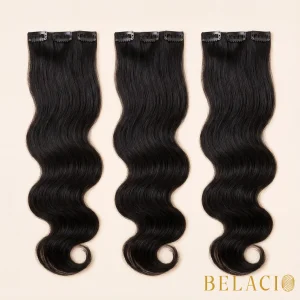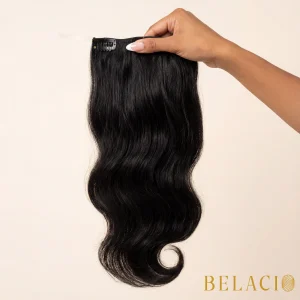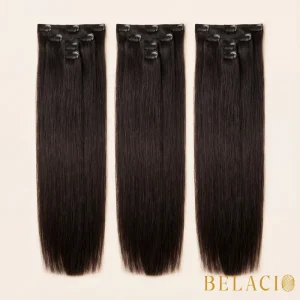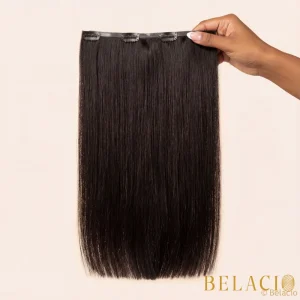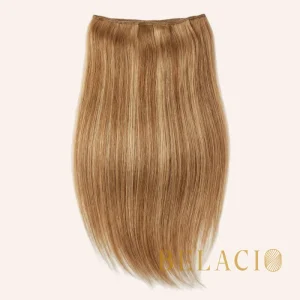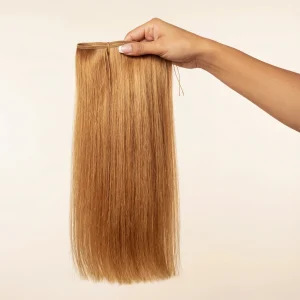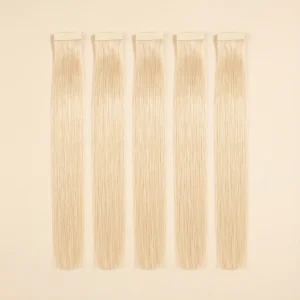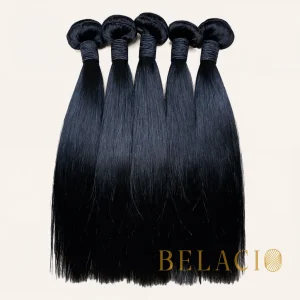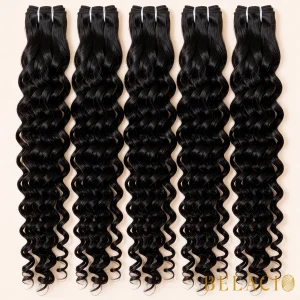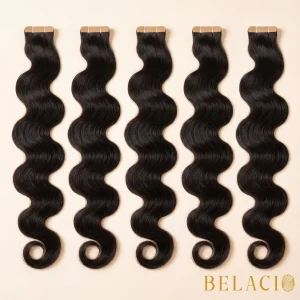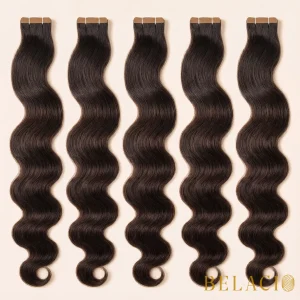

You’ve tried volumizing sprays, root-lifting powders, and every teasing technique your stylist suggested. Still, your hair falls flat by noon. Sound familiar? For millions of women dealing with fine or thinning hair, the frustration runs deep—but the solution is simpler than most realize.
Finding the right human hair extensions transforms thin, lifeless strands into full, bouncy volume that lasts all day. The key lies in matching extension type to your hair’s specific density, choosing proper weight distribution, and selecting quality construction that won’t damage fragile hair.
The best hair extensions for volume are lightweight weft, tape-in, or clip-in styles made from 100% human hair with double-drawn construction, specifically designed to add density without causing tension or damage to fine hair.
This guide breaks down exactly what works—and what doesn’t—so you can finally achieve the full, voluminous look you’ve been chasing.
Key Takeaways
- Double-drawn extensions deliver maximum volume because 100% of strands are cut to the same length, eliminating thin, wispy ends that deflate fullness.
- Tape-in and hand-tied wefts work best for fine hair since they distribute weight across larger attachment points, reducing tension on individual strands.
- Remy human hair outlasts synthetic alternatives by maintaining natural cuticle alignment, which prevents tangling and preserves volume for 6-12 months with proper care.
- Weight matters more than length for volume — choosing extensions that match your natural density prevents that obvious “wiggy” look while adding genuine thickness.
- Professional color matching prevents visible lines because custom blending ensures extensions disappear into your natural hair rather than creating obvious breaks.
Why Hair Extensions Transform Thin, Flat Hair
Human hair extensions solve the volume problem that products alone cannot address. Extensions physically add hair mass where natural growth is sparse, creating genuine fullness rather than the temporary lift that styling products provide.
The transformation happens at the root level. While volumizing mousses and dry shampoos coat existing strands to create the illusion of thickness, extensions actually increase the total amount of hair on your head. This fundamental difference explains why women who struggled for years with flat hair often describe extensions as life-changing.
Here’s what most guides won’t tell you: not all extension types deliver equal volume results. The hair extension market has exploded to over $4.8 billion globally, according to Fortune Business Insights, with human hair commanding 73% of that market share. That growth means more options—but also more confusion about which methods actually work for volume versus length.
| Volume Goal | Best Extension Type | Why It Works |
|---|---|---|
| Subtle fullness | Halo or clip-in | Zero commitment, easy removal |
| All-over density | Tape-ins | Flat attachment, even distribution |
| Maximum thickness | Hand-tied wefts | Concentrated volume, natural movement |
| Crown lift only | Partial sets | Targeted placement at thin areas |
Fine hair requires specific construction methods. Heavier extension types—like traditional keratin bonds—can pull on delicate strands and actually accelerate thinning. The best volume solutions prioritize lightweight attachment and strategic placement.
Top Extension Types for Maximum Volume
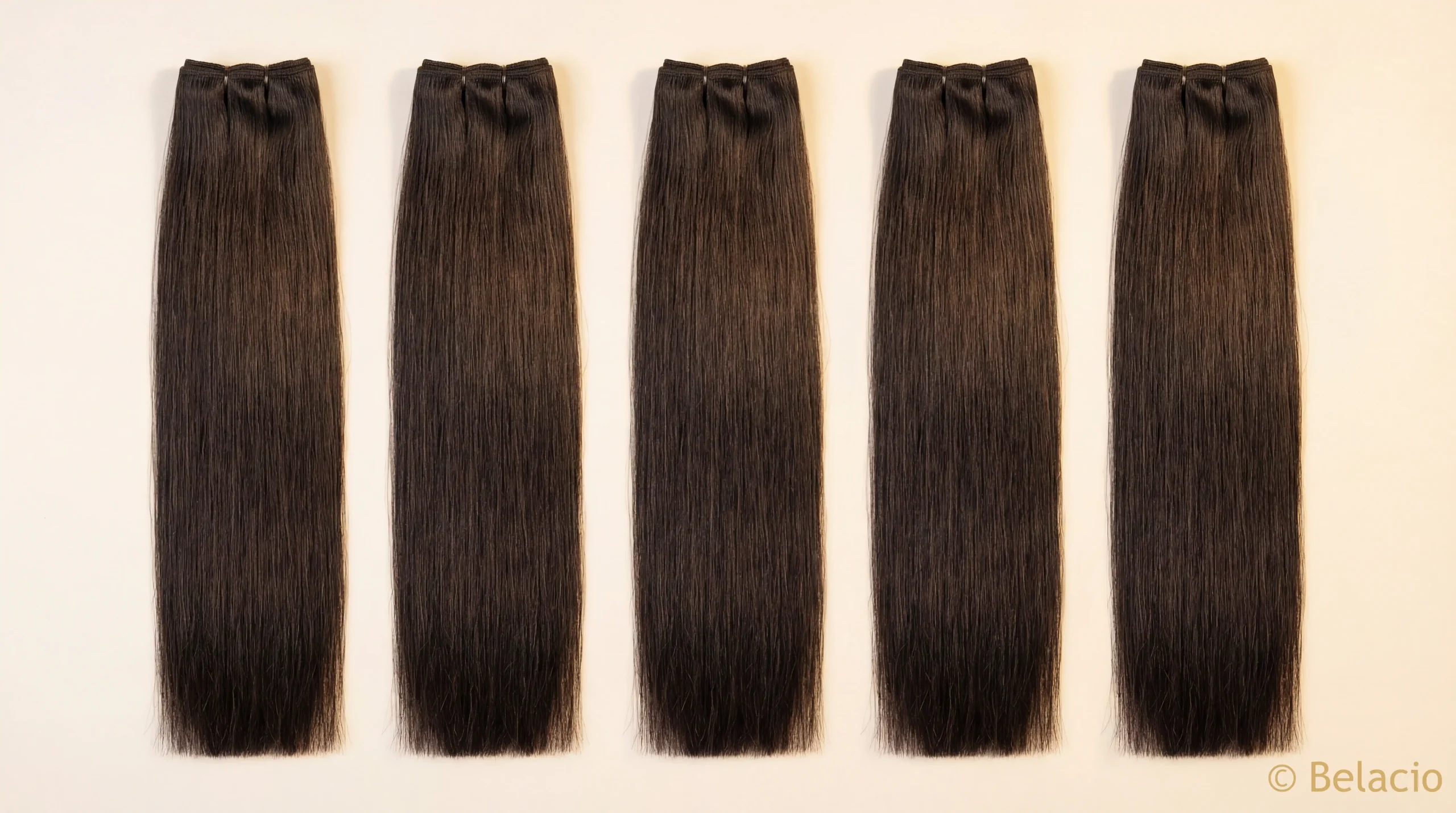
Weft extensions, tape-ins, and clip-ins each serve different volume needs. Understanding what separates them determines whether you achieve salon-worthy fullness or an obvious, unflattering result.
Weft extensions represent the gold standard for dramatic volume transformation. Hand-tied wefts use thin, flexible tracks sewn onto a beaded row, distributing weight across multiple anchor points rather than pulling on individual strands. The result is bouncy, natural-looking thickness that moves like real hair. According to market research from The Business Research Company, tape-in extensions are growing at over 10% annually, driven specifically by consumers seeking volume solutions.
Clip-in extensions offer the most flexibility for women who want volume on-demand without permanent commitment. Quality clip-ins made from Remy hair can be installed in minutes and removed nightly. Look, the trade-off is that they require daily application—but for special occasions or testing whether extensions work for you, they’re unmatched.
Tape-in extensions fall between clip-ins and permanent methods. Professional installation takes 1-2 hours, and properly placed tape-ins last 6-8 weeks between adjustments. They lie flat against the scalp, which makes them nearly undetectable while adding significant fullness throughout the mid-lengths and ends.
Why does attachment method matter so much for volume? Because the wrong choice creates visible ridges or pulls fragile hair. Hand-tied wefts and tape-ins distribute weight across 1-2 inch sections, while clip-ins spread force across multiple clips. All three protect fine hair better than strand-by-strand methods like micro-links or fusion bonds.
How to Choose Extensions That Match Your Hair
Selecting volume-boosting extensions requires honest assessment of your natural hair’s density, texture, and condition. Skipping this step leads to extensions that look unnatural or cause damage over time.
Start with density evaluation. Grab a ponytail at your crown—if you can easily wrap your thumb and index finger around it with room to spare, you have fine to medium density. This matters because extension weight must proportionally match your natural hair’s ability to support it. Women with fine hair should choose lighter weft constructions or partial sets rather than full, heavy applications.
Texture matching often gets overlooked, but it makes or breaks natural blending. Straight extensions won’t integrate with wavy natural hair without heat styling. And here’s the thing—repeated heat exposure damages both your extensions and natural strands. Starting with extensions that match your texture eliminates daily styling requirements.
Consider these factors before purchasing:
The short answer? Your best extension type depends on lifestyle factors beyond hair type alone. Women who exercise daily may prefer clip-ins they can remove before workouts. Those seeking permanent solutions typically gravitate toward professionally installed tape-ins or wefts. Budget also plays a role—clip-ins offer lower upfront cost but may need replacement sooner than professional methods.
Color matching deserves special attention. Single-process color extensions work for uniform natural hair, but multi-dimensional highlights require custom blending. Many premium extension companies offer color matching services using photos or hair samples. Investing in proper color matching prevents the telltale sign of extensions: visible lines where extension color doesn’t quite match natural growth.
The Quality Factor: What Makes Extensions Last
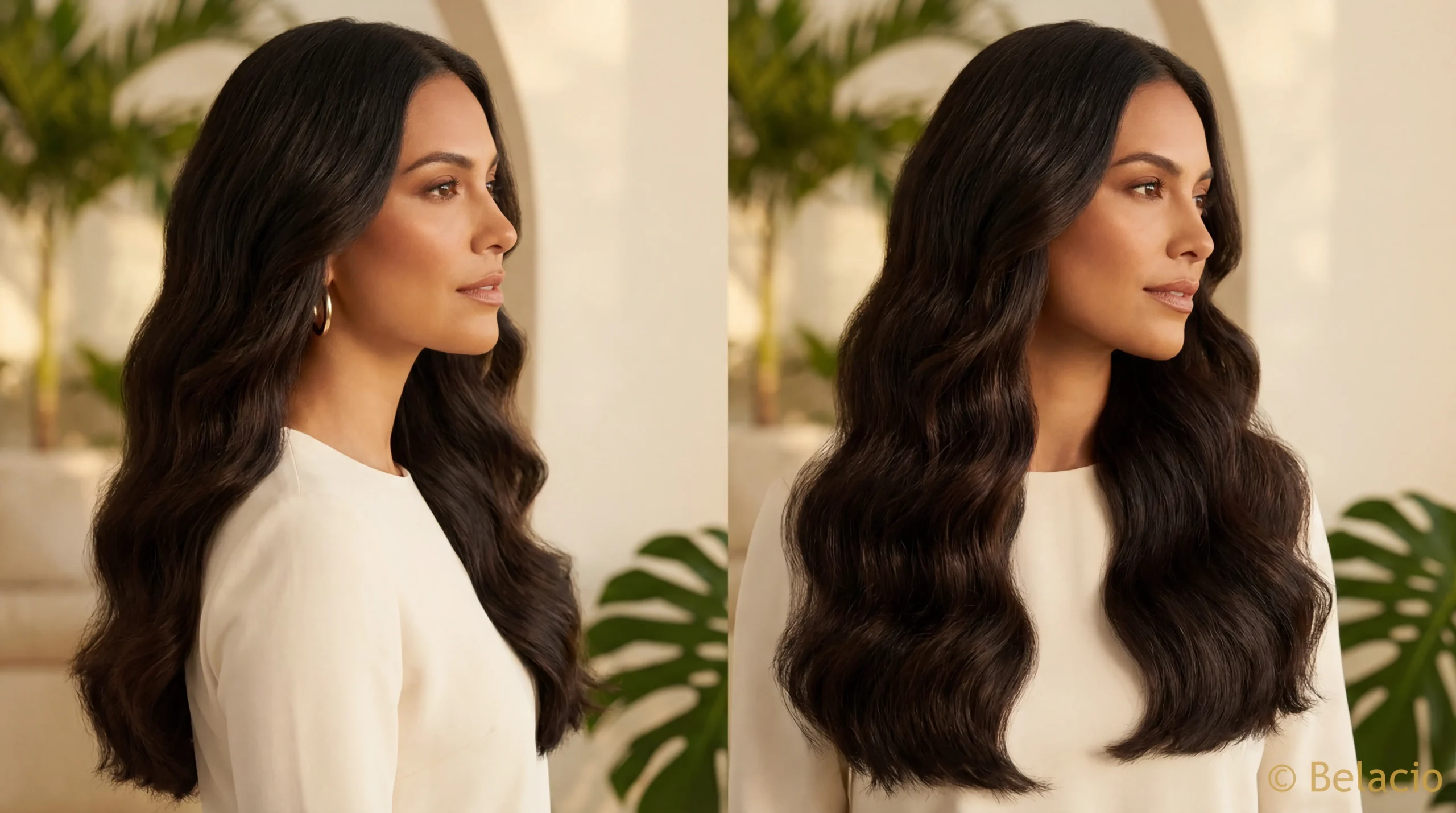
Virgin Remy human hair represents the highest quality available, but understanding why reveals how to evaluate any extension purchase. Quality construction directly determines how long extensions maintain volume and natural appearance.
Remy hair designation means all cuticles remain intact and face the same direction—root to tip. This alignment prevents the tangling and matting that plagues lower-quality extensions. According to industry data, approximately 42% of extension buyers now specifically seek Remy human hair, recognizing its superior performance over time.
Double-drawn construction separates volume-maximizing extensions from standard options. In double-drawn hair, manufacturers remove shorter strands, leaving only full-length pieces from root to tip. The result is uniform thickness that doesn’t thin out at the ends. Regular single-drawn extensions naturally taper, which defeats the purpose for women seeking volume.
| Quality Indicator | What to Look For | Red Flags |
|---|---|---|
| Hair source | Single donor, cuticle-intact | Mixed sources, acid-washed |
| Construction | Hand-tied, double-drawn | Machine weft, single-drawn |
| Longevity | 6-12 months with care | Manufacturer avoids timeline |
| Heat tolerance | Up to 350°F stated | No heat guidance provided |
Most people get this wrong: they focus entirely on length and color while ignoring construction quality. Length adds drama; quality adds longevity. Extensions that shed, tangle, or lose volume after one wash represent wasted investment regardless of how perfect the color match seemed initially.
Proper care extends extension life significantly. Sulfate-free shampoos prevent stripping natural oils from human hair extensions. Wide-tooth combs detangle without pulling. Sleeping with loose braids prevents friction damage. Women who follow these protocols often get double the wear time from their investment.
Frequently Asked Questions
Can hair extensions actually add volume without looking fake?
Quality extensions add natural-looking volume when properly matched to your hair’s color, texture, and density. The key is choosing lightweight construction methods like hand-tied wefts or tape-ins that lie flat against the scalp. Professional installation ensures strategic placement that blends seamlessly with natural growth patterns, eliminating the “wiggy” appearance that occurs when extensions are too heavy or poorly positioned.
What are the best hair extensions for volume on very fine hair?
Tape-in extensions and partial weft sets work best for very fine hair because they distribute weight across wider attachment points rather than pulling on individual strands. Avoid strand-by-strand methods like micro-links or fusion bonds, which concentrate tension on small sections of fragile hair. Choosing Remy human hair extensions under 100 grams total weight prevents the strain that accelerates thinning.
How long do volume-adding extensions last before needing replacement?
Quality Remy human hair extensions maintain their volume and natural appearance for 6-12 months with proper care. Tape-ins require professional adjustment every 6-8 weeks as natural hair grows, while clip-ins can last 12+ months with gentle handling. Synthetic alternatives typically need replacement within 1-3 months as fibers lose their shape and volume-holding capability.
Do hair extensions cause damage to thin or thinning hair?
Extensions can cause damage when improperly installed, too heavy for the natural hair, or left in too long without maintenance. However, lightweight methods like tape-ins and hand-tied wefts installed by certified professionals actually protect fragile hair by reducing daily heat styling requirements. Following manufacturer guidelines for wear time and removal prevents the tension-related damage called traction alopecia.
What should I look for when buying extensions specifically for volume?
Prioritize double-drawn construction, which ensures uniform thickness from root to tip rather than tapered ends. Look for 100% Remy human hair with intact cuticles facing the same direction. Request samples for color matching before purchasing full sets. Choose reputable suppliers who provide specific hair origin information and realistic longevity expectations—vague claims about quality typically indicate inferior products.
Get the Volume You Deserve
The difference between flat, lifeless hair and full, bouncy volume often comes down to one decision: choosing extensions specifically engineered for density rather than just length. Double-drawn Remy human hair in lightweight weft or tape-in construction delivers the transformation women with fine hair have been seeking.
At Belacio, we specialize in premium human hair extensions designed for volume and fullness. Our double-drawn weft extensions feature the thick, uniform construction that maximizes density while remaining gentle on fine hair.
Browse Belacio’s volume-boosting weft extensions
Ready to transform your thin hair into the full, voluminous look you’ve always wanted? Explore our collection or contact our extension specialists for personalized recommendations.