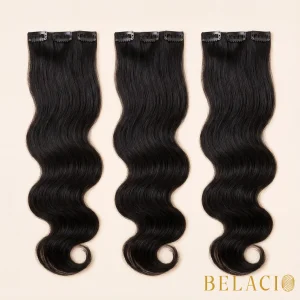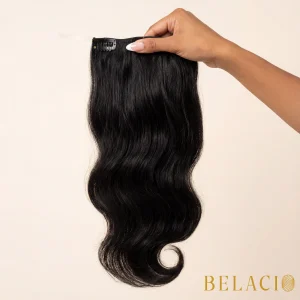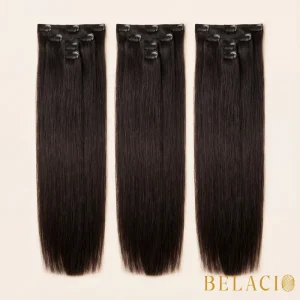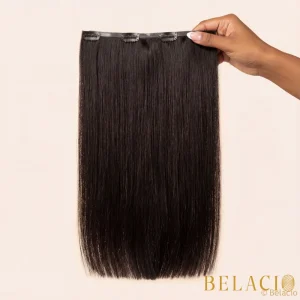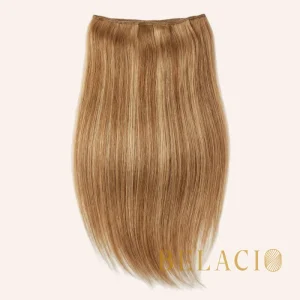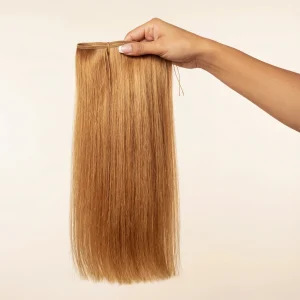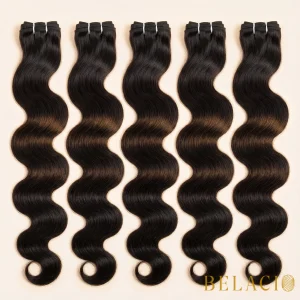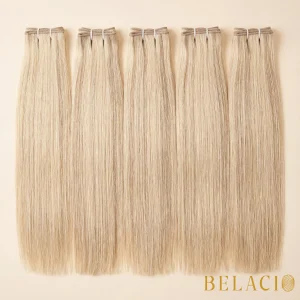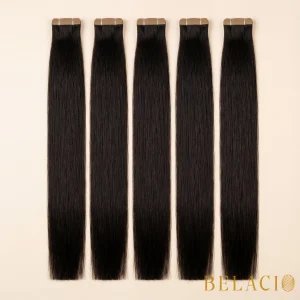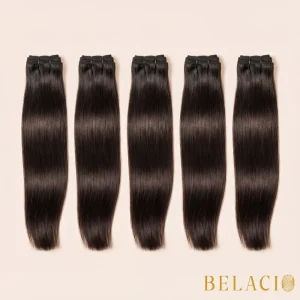
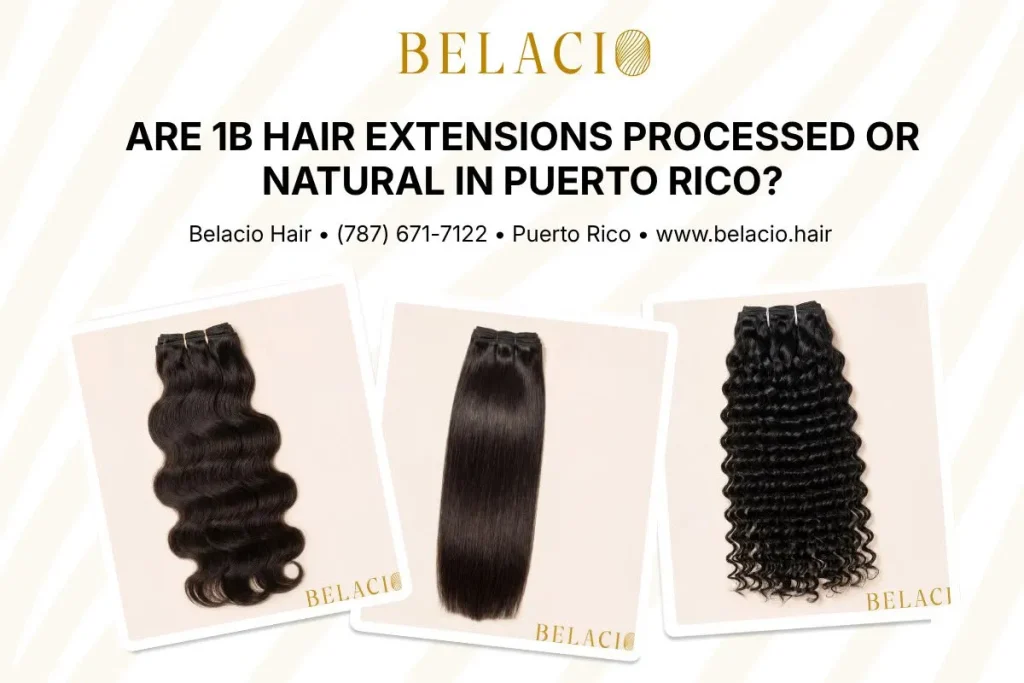
Genuine 1B is unprocessed virgin hair with warm brown undertones and subtle shade variation, while uniform jet black usually signals chemical dye. An acetone test that transfers color confirms processing, and natural 1B holds up far better in Caribbean humidity.
When you are shopping for 1B hair extensions in Puerto Rico, you are probably wondering whether that natural black shade is truly unprocessed virgin hair or just dyed to look natural. This matters because the difference affects how your extensions hold up in Caribbean humidity, whether they blend seamlessly with your own hair, and why some bundles cost twice as much as others that look identical online.
In this guide, you will learn how to spot the difference between authentic natural 1B and processed alternatives, what to look for when buying clip in hair extensions, and why the processing level directly impacts longevity in tropical climates. Belacio sources hair tested for exactly these conditions, so the distinctions below are the ones we check on every bundle, every day.
Understanding 1B Hair Color: Natural vs. Processed
True 1B hair represents a naturally occurring shade that should be unprocessed virgin hair showing subtle variations in tone. In contrast, uniform jet black, Color 1, typically indicates chemical processing, where factories dye hair to achieve consistent coloring. Genuine natural black hair contains subtle shade variations and warm undertones, whereas factory-dyed extensions display unnaturally uniform jet black tones with cool undertones. This variation serves as a key visual indicator when you are shopping for authentic human hair extensions.
Many suppliers in Puerto Rico and the broader Caribbean market offer what they label as 1B natural black, but understanding whether you are getting truly natural or processed hair requires knowing what to look for. The table below summarizes the core differences.
| Indicator | Natural 1B | Processed (Color 1) |
| Undertone | Warm brown | Cool blue |
| Shade variation | Subtle, present | Unnaturally uniform |
| Finish | Matte | Overly shiny |
| Odor | Neutral | Chemical |
| Color lift limit | Up to #613 blonde | #27 maximum |
How to Verify Authentic 1B Hair Extensions
Authenticity verification requires examining multiple indicators: warm undertones rather than blue, natural shade variations throughout the bundle, a matte rather than unnaturally shiny appearance, and the absence of chemical odor.
The Acetone Test
The most reliable home verification method is the acetone test. Applying acetone to a strand reveals dye if a cotton ball absorbs color, distinguishing chemically treated jet black from naturally occurring 1B. To perform this test, dampen a cotton ball with acetone nail polish remover, rub it firmly along a single strand from the weft, and check for color transfer on the cotton. Genuine virgin 1B should show no color transfer at all. Because the solvent itself is simply acetone, the test is inexpensive and easy to run at home before you commit to a bundle.
Visual Inspection Checklist
Before purchasing, examine the hair for these natural characteristics:
- Warm brown or chocolate undertones in sunlight
- Slight color variation between strands in the same bundle
- Matte finish rather than glossy shine
- Neutral or slightly pleasant smell, never chemical
Performance in Puerto Rico’s Tropical Climate
Climate considerations significantly impact hair extension maintenance in Caribbean regions like Puerto Rico, where high humidity affects texture and longevity. The island’s tropical environment creates unique challenges that reveal the true quality difference between natural and processed hair. Natural unprocessed hair maintains better moisture balance in humidity, versus processed alternatives that absorb excess moisture leading to frizz and breakage. This makes the initial investment in authentic virgin hair more economical over time. On an island where humidity is a daily constant rather than a seasonal visitor, the gap between hair that resists moisture and hair that surrenders to it widens quickly, which is why the cheaper bundle so often turns out to be the more expensive choice across a year.
Lifespan Comparison
Processed hair extensions carry lower initial costs, but their reduced lifespan in tropical climates, 6 to 8 weeks versus 12 to 18 months for authentic virgin hair, creates higher long-term expenses. In San Juan’s humidity, this difference becomes even more pronounced. For Puerto Rico-based consumers, Vietnamese-sourced virgin hair generally demonstrates superior climate resilience compared to other origins due to natural texture characteristics that handle moisture better.
Humidity-Specific Maintenance
Experts recommend dry shampoo at the roots rather than frequent washing, braid storage while sleeping, and specialized detangling brushes to prevent knotting in humidity. These practices become essential for extending the life of any extensions in Caribbean climates. Additional tropical care tips include applying anti-humidity serums before going outside, avoiding wearing hair down during peak humidity hours, storing extensions in climate-controlled spaces when not in use, and using silk or satin pillowcases to reduce friction.
Color Flexibility and Processing Limits
Authentic virgin hair can typically process to #613 blonde shades while factory-dyed hair faces strict limits, around #27 maximum, creating critical considerations for Caribbean consumers seeking color changes. This limitation matters especially in humid conditions where color retention proves difficult. Both types experience fading, but processed hair shows more dramatic color shifts due to uneven dye penetration, while natural hair fades more uniformly. If you are planning to lighten or color your extensions in Puerto Rico’s climate, starting with genuine virgin hair gives you significantly more options. For stylists working with clients who want versatility, this processing capacity difference can determine whether a color transformation succeeds or damages the hair beyond repair.
Health and Safety Considerations
Recent research reveals that 95% of tested hair extensions contained hazardous substances exceeding European safety standards, including flame retardants and phthalates linked to health risks. This issue disproportionately affects Latinx communities where hair extension use is culturally prevalent. Importantly, no current evidence suggests natural unprocessed hair contains fewer hazardous chemicals, as contamination occurs during manufacturing regardless of base hair quality. Both natural and processed extensions can carry these risks regardless of how premium or natural they appear. This is why sourcing transparency matters as much as the natural-versus-processed question itself, since a beautifully natural bundle with no safety documentation still leaves you exposed to the flame retardants and phthalates the research flagged.
Sourcing Safely
Toxic chemical exposure risks make it necessary to source from manufacturers providing third-party safety certifications. When shopping for any type of extension, including premium human hair tape in extensions, always request documentation of safety testing. Look for suppliers who can provide third-party laboratory test results, certifications from recognized safety organizations, transparent sourcing information, and clear manufacturing process documentation.
Installation Methods for Tropical Environments
Installation methods interact with hair type and climate factors, as humidity affects adhesive performance and hair movement in tropical environments. The method you choose can determine whether your extensions last months or just weeks in Puerto Rico’s climate. Natural unprocessed hair maintains better integrity with tape-in and clip-in methods in humid conditions compared to processed alternatives prone to adhesive failure. Caribbean consumers should prioritize installation methods with humidity-resistant adhesives specifically formulated for tropical weather.
Best Methods for Island Living
Clip-ins offer the most flexibility in humid climates because you can remove them during high-humidity activities. Sew-ins provide durability but require more maintenance to prevent moisture buildup at the weft. Tape-ins work well with virgin hair but need specialized adhesive formulas that resist Caribbean humidity. Consult with a stylist experienced in tropical climate installations before committing to a method. A stylist who works the island regularly will know which adhesive systems survive a San Juan summer and which fail within weeks, knowledge that rarely appears on a product label and is hard to recover once the wrong method is already installed. The table below compares the main options for island living.
| Method | Humidity Strength | Note |
| Clip-in | Most flexible | Remove for beach, pool, workouts |
| Sew-in | Durable | Watch moisture buildup at weft |
| Tape-in | Good with virgin hair | Needs tropical-grade adhesive |
Real Stories from Puerto Rico
Sofia, a consumer in San Juan, purchased affordable 1B extensions online that appeared perfect initially but revealed blue undertones after the first wash, indicating factory-dyed jet black. In San Juan’s humidity, the processed hair frizzed severely within weeks. Only after switching to verified Vietnamese virgin hair with documented cuticle integrity did she achieve extensions surviving three months in tropical conditions. Her experience highlights why the acetone test and visual inspection matter before purchase, and why a low online price is meaningless if the bundle cannot survive the first humid month. The few seconds those checks take are the cheapest insurance available in this market.
Carmen, a San Juan stylist, implemented a mandatory acetone test for all incoming extension bundles after repeated client complaints. She discovered 60% of her premium supplier’s 1B hair failed the test, revealing widespread mislabeling in the market. Switching to direct Vietnamese sourcing with third-party chemical testing reduced client complaints by 75% and allowed six-month warranties despite Puerto Rico’s challenging climate conditions. Her salon now educates every client on verification methods before installation. Both stories point to the same conclusion: in the Caribbean market, the label on a bundle means little without verification, and the few minutes spent on an acetone test and a daylight inspection routinely save months of frustration and the cost of replacing hair that never had a chance in the climate.
Key Takeaways
- Use the acetone test to verify authenticity, since color that transfers to the cotton ball means the hair is chemically dyed rather than natural 1B; warm brown undertones and slight shade variation are added signs of genuine virgin hair.
- Natural virgin hair lasts 12 to 18 months in Puerto Rico’s humidity while processed extensions break down in 6 to 8 weeks, so authentic unprocessed hair maintains better moisture balance and saves money long-term.
- 95% of hair extensions contain hazardous chemicals regardless of whether they are natural or processed, so always request third-party safety certifications and lab test results from suppliers.
- Virgin 1B hair can be lightened to blonde, around #613, while processed hair maxes out near #27, so starting with authentic unprocessed hair gives far more styling options.
- Vietnamese-sourced hair performs best in Caribbean conditions, and clip-in or sew-in methods work better than tape-ins in high humidity when paired with tropical-grade adhesives.
- Processed hair fades dramatically and unevenly due to uneven dye penetration, while natural hair fades uniformly, which is why authentic 1B keeps a believable look far longer in tropical light.
Making the Right Choice for Caribbean Conditions
The distinction between natural and processed 1B hair extensions matters significantly more in tropical climates like Puerto Rico. While processed options may seem economical initially, their poor performance in humidity creates higher costs and frustration over time. Authentic virgin hair, particularly Vietnamese-sourced options tested for tropical climates, provides better value despite higher upfront costs. For consumers and stylists serving the Caribbean and US Latinx market, investing in verified natural hair with safety certifications protects both health and budget.
When shopping for premium 1b hair extensions in Puerto Rico, prioritize suppliers who understand regional climate challenges and can document both the natural origin and safety testing of their products. The right choice depends on your specific needs, but understanding these distinctions empowers you to make informed decisions that work for island living. The same evaluation, undertone, finish, smell, acetone result, and documented sourcing, applies whether you are a consumer buying a single set or a stylist vetting a supplier for an entire clientele.
Frequently Asked Questions
How can I tell if 1B hair is natural or dyed?
Look for warm brown undertones, subtle shade variation, a matte finish, and no chemical smell. Then run an acetone test: if color transfers to the cotton, the hair is dyed, not natural.
What is the acetone test for hair extensions?
Dampen a cotton ball with acetone, rub it along a single strand from the weft, and check for color transfer. Genuine virgin 1B shows no transfer, while dyed jet black bleeds color.
Why does natural 1B last longer in Puerto Rico?
Unprocessed virgin hair keeps a better moisture balance in humidity, lasting 12 to 18 months, while processed hair absorbs excess moisture, frizzes, and breaks down in roughly 6 to 8 weeks.
Is natural hair safer than processed hair?
Not necessarily. Research found 95% of extensions contained hazardous chemicals from manufacturing, regardless of base quality. Request third-party safety testing whether the hair is natural or processed.
Can I dye or lighten 1B extensions?
Authentic virgin 1B can usually be lifted toward #613 blonde, while factory-dyed hair tops out near #27. Starting with genuine virgin hair gives you far more color flexibility.
Which installation method is best for humidity?
Clip-ins are the most flexible since you can remove them for water activities. Sew-ins are durable but need moisture care, and tape-ins require adhesives formulated for tropical weather.
Why is Vietnamese hair recommended for the Caribbean?
Vietnamese virgin hair tends to show superior climate resilience, holding its texture and structure better in high humidity than many other origins, which makes it well suited to Puerto Rico.
Does processed hair fade differently than natural hair?
Yes. Processed hair shifts dramatically and unevenly because dye penetrates inconsistently, while natural hair fades uniformly, so mismatches and dullness appear sooner on dyed bundles.
What documentation should a supplier provide?
Ask for third-party laboratory test results, certifications from recognized safety organizations, transparent sourcing details, and clear manufacturing documentation before you buy.
Do uniform jet black extensions mean low quality?
Unnaturally uniform jet black with cool blue undertones usually signals chemical dye rather than natural hair. Natural 1B carries warmth and subtle variation that uniform dye jobs lack.
Conclusion
In Puerto Rico’s humidity, the natural-versus-processed question is not cosmetic hair-splitting. It decides whether your extensions blend believably, survive the climate for a year or fail in weeks, and give you room to change color later. Warm undertones, subtle variation, a matte finish, and a clean acetone test are the signals that separate genuine virgin 1B from dyed jet black.
Belacio sources Vietnamese virgin hair that is tropical-tested for the Caribbean climate, and we help you verify exactly what you are getting with transparent testing and real warranties. Choosing authentic hair with documented safety testing protects both your health and your budget on an island where the climate exposes shortcuts fast.
Find 1B extensions built for Caribbean humidity.
Verify your hair before you buy it.