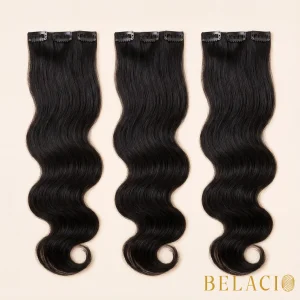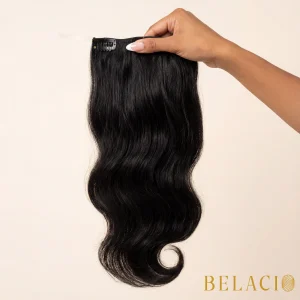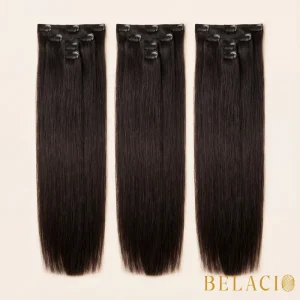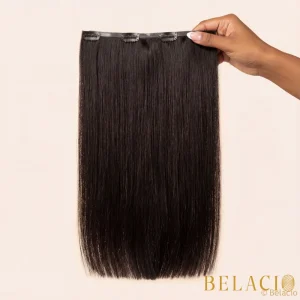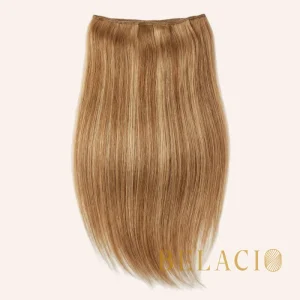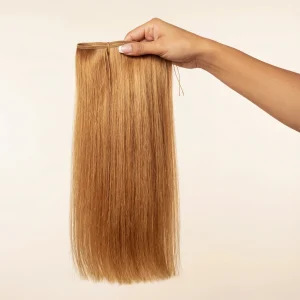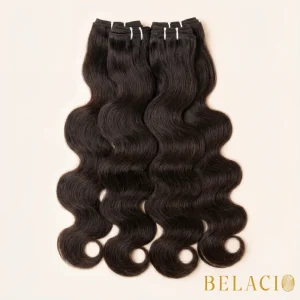

Hair extensions can cause folliculitis in Puerto Rico’s tropical climate when installation tension is too tight, maintenance intervals exceed 4-6 weeks, or scalp drying is incomplete after washing or swimming. Humidity of 70-80 percent creates anaerobic conditions where Staphylococcus and Malassezia organisms thrive under occluded extensions. Folliculitis is preventable with proper installation, sulfate-free products, climate-adjusted maintenance schedules, and immediate post-water rinsing.
If you have noticed red bumps, itching, or tenderness at the base of your hair extensions, you may be dealing with folliculitis, an inflammation or infection of the hair follicles that is especially common in Puerto Rico’s humid, tropical climate. The combination of moisture, sweat, and prolonged contact between extensions and your scalp creates the perfect environment for bacteria and fungi to thrive, particularly when extensions are installed too tightly or worn beyond their recommended lifespan.
In this article, you will learn why human hair extensions can trigger folliculitis in high-humidity conditions, which installation methods carry the highest risk, and exactly how to protect your scalp while still enjoying Vietnamese-sourced hair tested for tropical climate conditions.
How Installation and Tension Affect Folliculitis Risk
The way your hair extensions are installed plays a massive role in whether you will develop folliculitis. Overly tight application causes mechanical damage to follicles and can lead to traction alopecia over time. When bonds are too heavy or sections are not properly distributed, your scalp experiences constant stress that creates the perfect conditions for infection.
Professional installation makes a real difference. Studies suggest that proper tension, sectioning, and product selection reduce folliculitis risk by approximately 70 percent compared to DIY or budget salon work. This is especially important in Puerto Rico’s climate, where any irritation becomes amplified by heat and humidity.
Table 1: Installation Factors That Prevent Folliculitis in Tropical Climates
| Factor | Why It Matters in PR | Risk if Ignored |
| Even sectioning across scalp | Distributes weight, prevents pressure points | Localized inflammation, traction alopecia |
| Bond placement away from hairline | Spares follicles already under stress | Hairline thinning, frontal recession |
| Tension secure but not pulling | Allows scalp circulation | Chronic mechanical irritation |
| Bond weight matched to natural density | Prevents scalp overload | Follicle damage, breakage |
| Climate-adjusted adhesive selection | Resists humidity degradation | Premature bond failure, bacterial entry |
Why Puerto Rico’s Humidity Creates a Bacterial Breeding Ground
Humidity does not just make your hair frizzy. It creates dangerous conditions under your extensions. Wet extensions left bundled, poor drying protocols, and accumulated sweat create anaerobic conditions where bacteria like Staphylococcus aureus thrive. In drier climates, moisture evaporates naturally. In Puerto Rico, it lingers.
Beach days present special challenges. Salt and chlorine accelerate folliculitis risk, and without proper rinsing, these compounds sit against your scalp for hours. Sweat that would normally evaporate in Arizona or California stays trapped under your extensions in Caribbean humidity, feeding bacterial growth.
Pityrosporum (Malassezia) folliculitis is a fungal infection that becomes particularly aggressive in hot, humid climates. Your scalp produces more oil in tropical heat, and when that oil cannot breathe under extensions, yeast populations explode. This type of folliculitis looks like small, itchy bumps and often gets mistaken for acne. Mayo Clinic’s folliculitis overview covers the bacterial and fungal mechanisms in detail.
Critical moisture management steps include rinsing with fresh water immediately after beach or pool exposure, never sleeping with damp extensions, using a blow dryer on cool setting to dry the scalp area thoroughly, and considering a handheld fan to speed evaporation after washing.
How Extensions Disrupt Your Scalp’s Natural Balance
Your scalp has its own ecosystem of beneficial bacteria and yeast that keep harmful microbes in check. Extensions occlude the scalp, disrupting pH balance and sebum regulation, which allows pathogenic organisms to take over while suppressing the good ones.
This disruption happens faster than you might think. By day 4-7, dead skin cells, sebum, and sweat accumulate beneath adhesive, creating conditions for pathogenic overgrowth. Even high-quality human hair extensions create this occlusive environment. It is not about the extension quality, but about basic biology.
The problem intensifies in humid climates because your scalp works harder to regulate temperature. It produces more sweat and oil, but the extensions trap everything against your skin. This creates a warm, moist, nutrient-rich environment where harmful bacteria multiply rapidly.
Wear Duration: Why Mainland Standards Don’t Work in the Tropics
Most salons recommend keeping extensions for 6-8 weeks before maintenance. In Puerto Rico’s climate, 4-6 week intervals are more appropriate. This is not just a suggestion. It is a health necessity.
As your natural hair grows, bonds shift and create friction and tension, all of which trigger folliculitis. In humid environments, this shifting happens in a bacteria-rich environment, multiplying the risk. What might cause mild irritation in Denver can cause full-blown infection in San Juan.
The cost consideration is real but misleading. Yes, 4-6 week maintenance appointments ($50-$150 in Puerto Rico salons) add up to more visits. But compare that to the cost of treating folliculitis, potential permanent hair loss, and having to replace damaged extensions entirely. Prevention is always cheaper than treatment.
Table 2: Maintenance Red Flags That Signal Folliculitis Risk
| Warning Sign | What It Indicates | Recommended Action |
| Bonds sliding more than half an inch from scalp | Adhesive failing, increased friction | Schedule maintenance within 7 days |
| Visible matting or tangling near bonds | Bacterial accumulation, occlusion | Clean and reset urgently |
| Tenderness or sensitivity on touch | Early follicular irritation | Inspect for early folliculitis |
| Itching that does not resolve after washing | Possible fungal overgrowth | Consult dermatologist |
| Visible redness or pustules | Active infection | Remove extensions, seek treatment |
Choosing the Right Extension Type for Tropical Climates
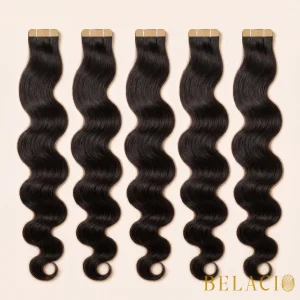
Not all extension methods perform equally in humidity. Tape-ins allow the best scalp access for cleaning, making them a smart choice for Puerto Rico. You can lift sections to clean and dry the scalp thoroughly, which is critical for preventing bacterial buildup. Tape-in extensions consistently outperform other methods on scalp accessibility in humid conditions.
Fusion and keratin bonds occlude more scalp area but last longer, creating a trade-off between longevity and infection risk. If you choose these methods in tropical climates, you must be extremely diligent about drying protocols. Sew-ins require careful attention to drying the braided base, which can take 30+ minutes with a blow dryer in humid conditions.
Texture matters too. Body wave and curly textures work better in humidity than fighting frizz with flat irons. Fighting your climate with heat styling creates more scalp sweat, which feeds the bacterial cycle. Working with humidity instead of against it reduces both styling stress and infection risk.
Product Selection: What Works in the Tropics
Sulfate-free, pH-balanced shampoos reduce scalp irritation by maintaining your skin’s natural protective barrier. Harsh sulfates strip away beneficial oils, causing your scalp to overproduce sebum to compensate, which then gets trapped under extensions.
Avoid heavy oils at attachment sites. Oil-based leave-ins before tape-in installation cause slippage, and tropical humidity amplifies this problem. Oil also creates an anaerobic seal that bacteria love. Use lightweight, water-based scalp serums instead.
Protein treatments before bonding create brittleness in humid climates. Your hair absorbs moisture from the air, and protein-overloaded strands cannot flex with that moisture intake. This leads to breakage at bond sites, which creates entry points for infection.
The Hidden Chemical Risk in Extensions
Folliculitis is not the only health concern. Independent product testing has identified cancer-linked chemicals including organotins, phthalates, and styrene in many hair extension products. Prolonged scalp contact increases absorption, and humid conditions may accelerate this process through increased scalp permeability.
Do not assume human hair is automatically safer. Both human and synthetic extensions can contain harmful chemicals, with human hair sometimes showing the highest lead levels in third-party tests. Safety depends on sourcing, processing, and testing, not just the material type.
This is where sourcing matters. Premium suppliers who provide testing documentation and source from regulated facilities offer transparency that mainstream brands do not. In tropical climates where you are already managing infection risk, adding chemical exposure to the equation multiplies your health burden.
Recognizing and Treating Folliculitis
Folliculitis produces small red bumps, pustules, tenderness, or itching confined to hair follicles. You might notice a slight odor, especially in humid conditions where bacteria multiply faster. The bumps typically cluster around bond sites or areas of tension.
Do not wait and hope it resolves on its own. If symptoms do not improve in a few days or worsen, seek dermatology care. In Puerto Rico’s climate, mild irritation can escalate to moderate infection within 48-72 hours.
Table 3: Folliculitis Treatment Pathway
| Severity | Symptoms | Treatment | Resolution Timeline |
| Mild | Small bumps, slight itching | Antimicrobial shampoo, careful drying | 5-7 days |
| Moderate | Pustules, redness, tenderness | Topical antibiotic or antifungal | 7-10 days |
| Severe | Spreading infection, odor, pain | Oral antibiotics, extension removal | 10-21 days |
| Recurrent | Returns after extensions reinstalled | Dermatology workup, hair source review | Variable |
Treatment usually involves immediate extension removal to allow scalp access, topical or oral antibiotics or antifungals as prescribed, gentle cleansing with antimicrobial shampoo, and avoiding occlusive products during healing. You must wait until the infection clears completely and your scalp returns to normal before reinstalling extensions. Putting new extensions on a healing scalp guarantees reinfection.
Key Takeaways
- Hair extensions can cause folliculitis in Puerto Rico’s humid climate, but it is preventable with proper installation, climate-specific care, and shorter maintenance intervals (4-6 weeks instead of the standard 6-8). Professional installation reduces folliculitis risk by approximately 70 percent compared to DIY or budget salon work.
- Never sleep with damp extensions or skip rinsing after beach or pool exposure. Puerto Rico’s humidity prevents natural evaporation, creating a bacterial breeding ground under your extensions. Use a blow dryer on cool setting to thoroughly dry your scalp area after every wash.
- Tape-in extensions allow the best scalp access for cleaning in tropical climates, while fusion bonds and sew-ins occlude more area and require extremely diligent drying protocols. Choose your extension type based on your ability to maintain proper hygiene, not just aesthetics.
- Watch for red bumps, itching, tenderness, or odor around bond sites. These are signs of folliculitis that require immediate attention. If symptoms do not improve within a few days, see a dermatologist. Mild irritation can escalate to infection within 48-72 hours in humid conditions.
- Many tested hair extension products have contained harmful chemicals including cancer-linked compounds, and prolonged scalp contact in humid conditions may increase absorption. Source from premium suppliers who provide testing documentation and follow tropical-specific care protocols to minimize both infection and chemical exposure risks.
- Sulfate-free pH-balanced shampoos preserve scalp barrier function. Avoid heavy oils at bond sites, skip protein overloading before installation, and use lightweight water-based scalp serums to reduce occlusion and bacterial growth.
Real-World Scenarios: Learning from Others’ Experiences
The Tourist Mistake: A mainland visitor gets tape-in extensions for her three-week Puerto Rico vacation. She does not adjust her care routine for humidity, hits the beach daily without rinsing, and sleeps with wet hair bundled in a bun. By day 10, small red bumps appear at bond sites. By day 14, she has mild folliculitis with itching and odor. The lesson: even short-term extension users need climate-specific care instructions.
Delayed Maintenance Consequences: María wears sew-in extensions for 10 weeks, overshooting the 6-8 week standard. She skips professional resets and washes infrequently at home. Her scalp becomes increasingly itchy and red as bacteria proliferate in the moist, occluded environment. She eventually develops moderate bacterial folliculitis requiring antibiotic treatment and complete extension removal. Recovery takes three weeks, and she loses significant hair from the infection.
The Proper Protocol Success: A San Juan salon professional installs tape-in extensions with careful attention to tension, uses premium products tested for tropical climates, and schedules the client for 5-week maintenance check-ins. The client learns post-beach rinsing protocols, uses sulfate-free shampoo weekly, and applies lightweight scalp serum 2-3 times per week. After eight weeks of wear with two maintenance resets, her scalp remains healthy with zero irritation.
These scenarios illustrate a clear pattern. Folliculitis in Puerto Rico’s climate is preventable with proper installation, climate-appropriate maintenance schedules, and educated care routines. The difference between healthy extensions and scalp infection often comes down to small daily habits and professional expertise.
Conclusion
Folliculitis is one of the most common, most preventable, and most underestimated risks of wearing extensions in Puerto Rico’s tropical climate. The biology is straightforward: humidity plus occlusion plus skipped maintenance equals bacterial overgrowth. The solution is also straightforward: 4-6 week maintenance, sulfate-free products, complete drying after every water exposure, and quality sourcing.
If you are ready to wear beautiful extensions without the worry of folliculitis or scalp irritation, Belacio’s Vietnamese-sourced hair is tested for Puerto Rico’s tropical climate, and we work with salon professionals who understand proper installation and maintenance timing. Call 787-671-7122 to schedule a professional consultation.
Frequently Asked Questions
Can hair extensions actually cause folliculitis?
Yes. Extensions occlude the scalp, trap moisture and oil, and create anaerobic conditions where Staphylococcus aureus and Malassezia thrive. The risk is highest with tight installation, missed maintenance, and incomplete drying after washing or swimming, especially in humid climates like Puerto Rico.
Why is folliculitis worse in Puerto Rico than on the mainland?
Puerto Rico’s 70-80 percent humidity prevents natural evaporation under extensions, traps sweat and sebum, and creates ideal conditions for bacterial and fungal growth. The same care routine that works in Arizona or Colorado fails in Caribbean conditions, requiring shorter maintenance cycles and more aggressive drying protocols.
What are the early warning signs of folliculitis?
Small red bumps or pustules around bond sites, itching that does not resolve after washing, scalp tenderness on touch, and slight odor are the early signals. In humid conditions, these can progress from mild irritation to moderate infection within 48-72 hours, so early recognition matters.
Are tape-in extensions safer than fusion or sew-in for tropical climates?
Generally yes. Tape-ins allow the best scalp access for cleaning and drying between maintenance visits. Fusion bonds and sew-ins occlude more scalp area, retain moisture longer, and require more diligent drying protocols to prevent bacterial buildup.
How often should I get maintenance in Puerto Rico?
Every 4-6 weeks instead of the standard 6-8 weeks used on the mainland. The shorter cycle accounts for faster adhesive degradation in humid conditions and reduces the bacteria-friendly window between resets, which directly lowers folliculitis risk.
What products should I avoid with extensions in tropical climates?
Sulfate shampoos, heavy oil-based leave-ins near bond sites, and protein-overloading treatments before bonding. Sulfates strip protective scalp oils, oils dissolve adhesives and create anaerobic seals, and protein-overloaded hair becomes brittle in humidity.
Can I keep wearing extensions if I develop folliculitis?
No. Active folliculitis requires immediate extension removal to allow proper scalp treatment. Reinstalling extensions on a healing or compromised scalp guarantees reinfection. Wait until your dermatologist confirms full resolution before scheduling new installation.
How long does folliculitis take to heal?
Mild cases resolve in 5-7 days with antimicrobial shampoo and proper care. Moderate cases take 7-10 days with prescribed topical or oral medication. Severe or recurrent cases can require 2-3 weeks of treatment plus dermatologist evaluation of the underlying cause.
Are some extension brands actually tested for tropical conditions?
Most mainstream brands test in temperate climates and do not address tropical performance. Specialty suppliers focused on Caribbean and Latin American markets, particularly those sourcing virgin Vietnamese hair, often provide testing documentation and tropical-specific care guidance.
Can I prevent folliculitis without giving up extensions entirely?
Yes. Proper installation tension, 4-6 week maintenance, sulfate-free products, complete scalp drying after water exposure, and quality sourcing together reduce folliculitis risk to a low level. Most clients who follow these protocols never develop infection.
Schedule a consultation today.
Protect your scalp today.